Preserving Culture Through Arts and Educational Workshops

In an increasingly globalized world, the preservation of local cultures has become a pressing concern. Arts and educational workshops serve as vital tools in this endeavor, allowing communities to pass down traditions, skills, and stories to future generations. These workshops not only foster creativity but also strengthen community bonds, ensuring that cultural heritage remains vibrant and relevant.
The Importance of Cultural Preservation
Cultural preservation is essential for maintaining the identity of communities. It allows individuals to connect with their roots and understand their history. Here are some key reasons why preserving culture is crucial:
Identity and Belonging: Cultural practices provide a sense of identity and belonging. They help individuals understand who they are and where they come from.
Diversity: A rich tapestry of cultures contributes to the diversity of human experience. This diversity fosters creativity and innovation.
Education: Cultural preservation through arts and workshops serves as an educational tool, teaching younger generations about their heritage and the importance of their cultural practices.
Arts as a Medium for Cultural Expression
Arts play a significant role in cultural preservation. They provide a platform for individuals to express their cultural identity and share their stories. Here are some forms of art that are commonly used in cultural preservation:
Visual Arts
Visual arts, such as painting, sculpture, and crafts, are powerful means of cultural expression. They allow artists to depict their cultural narratives and share them with the world. For example, traditional pottery techniques can be taught in workshops, enabling participants to create pieces that reflect their cultural heritage.
Performing Arts
Performing arts, including dance, music, and theater, are dynamic ways to keep cultural traditions alive. Workshops can teach traditional dances or musical styles, allowing participants to engage with their culture actively. For instance, a workshop on folk music can introduce participants to traditional instruments and songs, fostering a deeper appreciation for their cultural roots.
Literature and Storytelling
Storytelling is a fundamental aspect of many cultures. Workshops that focus on oral traditions can help preserve stories that might otherwise be forgotten. Participants can learn to tell their stories, ensuring that their cultural narratives are passed down through generations.
Educational Workshops: Bridging Generations
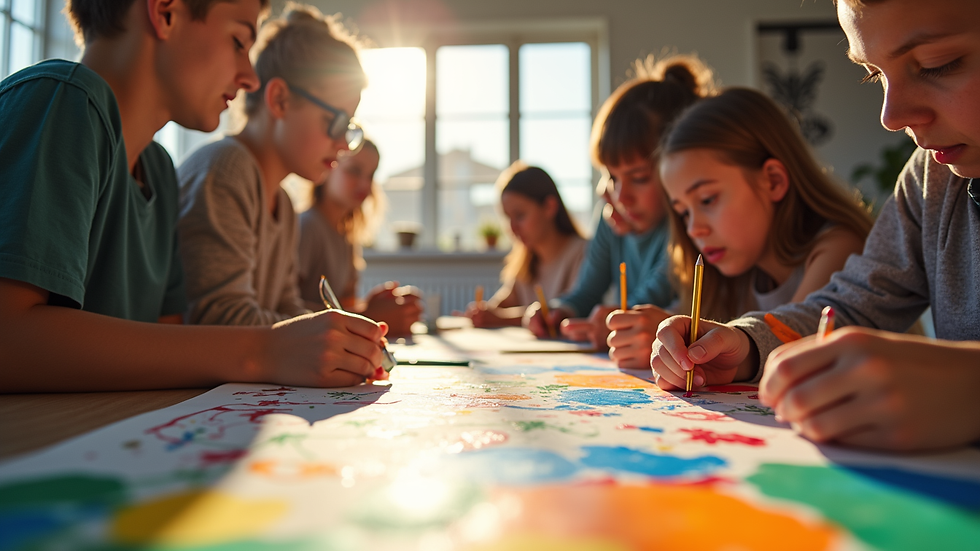
Educational workshops serve as a bridge between generations, allowing older community members to share their knowledge and skills with younger individuals. This transfer of knowledge is vital for cultural preservation. Here are some examples of how educational workshops can be structured:
Hands-On Learning
Workshops that focus on hands-on learning are particularly effective. Participants can engage in activities such as:
Crafting: Learning traditional crafts, such as weaving or pottery, helps participants appreciate the skills and techniques passed down through generations.
Cooking: Culinary workshops can teach traditional recipes, allowing participants to connect with their culture through food.
Language: Language workshops can help preserve indigenous languages, ensuring that they are spoken and understood by future generations.
Community Involvement
Community involvement is crucial for the success of educational workshops. Engaging local artists, historians, and cultural leaders can enrich the learning experience. For example, inviting a local storyteller to lead a workshop can provide participants with authentic insights into their cultural heritage.
Case Studies: Successful Cultural Workshops
Several communities around the world have successfully implemented arts and educational workshops to preserve their culture. Here are a few notable examples:
The Maori Arts Program in New Zealand
In New Zealand, the Maori Arts Program focuses on teaching traditional Maori arts, such as carving and weaving. This program not only preserves these skills but also fosters a sense of pride among participants. By engaging with their cultural heritage, younger generations develop a deeper understanding of their identity.
The Native American Heritage Program in the United States
The Native American Heritage Program offers workshops that teach traditional crafts, storytelling, and music. These workshops are designed to empower Native American youth by connecting them with their cultural roots. Participants learn valuable skills while also gaining a sense of belonging within their community.
The African Cultural Heritage Workshops
In various African countries, cultural heritage workshops focus on traditional music, dance, and crafts. These workshops often involve community members of all ages, fostering intergenerational connections. By participating in these activities, younger generations gain a greater appreciation for their cultural heritage.
Challenges in Cultural Preservation
While arts and educational workshops are effective tools for cultural preservation, several challenges can hinder their success:
Funding and Resources
Many community-based programs struggle with limited funding and resources. Securing financial support is essential for sustaining workshops and ensuring they reach a wider audience.
Cultural Appropriation
Cultural appropriation poses a significant challenge. It is crucial for workshops to be conducted respectfully, ensuring that cultural practices are not misrepresented or exploited.
Engagement and Participation
Engaging community members, especially younger individuals, can be challenging. Workshops must be designed to be appealing and relevant to attract participation.
Strategies for Successful Workshops
To overcome these challenges, several strategies can be implemented:
Collaborate with Local Organizations
Partnering with local organizations can provide additional resources and support. Collaborations can also help raise awareness about the importance of cultural preservation.
Create Inclusive Programs
Workshops should be designed to be inclusive and accessible to all community members. This can involve offering programs in multiple languages or adapting activities for different age groups.
Promote Awareness
Raising awareness about the importance of cultural preservation is vital. Community events, social media campaigns, and local outreach can help engage more participants in workshops.
The Future of Cultural Preservation
The future of cultural preservation through arts and educational workshops looks promising. As communities continue to recognize the importance of their cultural heritage, more initiatives are likely to emerge. Here are some trends to watch:
Digital Workshops
With the rise of technology, digital workshops are becoming increasingly popular. These online platforms can reach a broader audience, allowing individuals from different locations to participate in cultural preservation efforts.
Interdisciplinary Approaches
Combining various art forms and educational methods can create more engaging workshops. For example, integrating visual arts with storytelling can provide a richer learning experience.
Global Collaboration
As cultures continue to interact and influence one another, global collaboration in cultural preservation efforts can lead to innovative approaches. Sharing best practices and resources can enhance the effectiveness of workshops worldwide.
Conclusion
Preserving culture through arts and educational workshops is essential for maintaining community identity and fostering creativity. By engaging individuals in hands-on learning experiences, communities can pass down their traditions and stories to future generations. As we move forward, it is crucial to support these initiatives and recognize the value they bring to our diverse world.
Let us take action by participating in local workshops, supporting cultural initiatives, and advocating for the preservation of our rich cultural heritage. Together, we can ensure that our stories and traditions continue to thrive for generations to come.


Comments